📝 Your Assignment (What You ActuallyHave to Do)
In a cohesive multiparagraph essay or presentation:
1. Provide background on the issue by explaining:
What the issue is
Who is involved in the issue.
Why this issue is important - relate to a democratic ideal/constitutional principle.
2. Provide a possible solution for the issue/problem that is acceptable to most parties involved
3. Explain to whom you would make the proposed change to in either local, state, or federal government.
4. Cite specific textual evidence from at least four different sources that provide relevant information.
Step1: Explain the Issue
👉🏽 Who is involved?
👉🏽 Why does it matter?
NOTE: Connect it to a core American idea (like freedom, fairness, rights)
Step2: Propose a Solution
👉🏽 It should be reasonable and fair to most people
Step3: Who Do You Tell?
• Local (city/county)
• State
• Federal
Step4: Use Evidence
👉🏽 Pull real facts to support your idea
🔍 Research Basics (Keep It Simple)
Start With a Question
👉🏽 Examples
• “How many accidents happen on this road?”
•
UseGood Sources
👉🏽 Be careful—some sources are biased or low quality
CiteYour Sources (Important)
👉🏽 Use MLA format. Basic info you'll need:
• Author
• Title
• Date
• Where it was published
👉🏽 A bibliography= everything you used
👉🏽 A works cited= only what you quoted
🧠 Big Idea: How Government & Groups Work
GovernmentStructure (Simple)
• City (your local government
• County (your broader local government)
• State (your state government)
• Federal (the government for our entire nation)
👉🏽 Each level has departments/agencies that:
• Carry out laws
• Enforce rules
👉🏽 The Executive Branch (President) runs these departments
👉🏽 There are 15 major departments :
Executive Branch Departments:
➞ Department of State
➞ Department of Treasury
➞ Department of Defense
➞ Department of Justice
➞ Department of Interior
➞ Department of Agriculture
➞ Departmnt of Commerce
➞ Department of Labor
➞ Department of Health & Human Services
➞ Department of Houseing & Urgan Development
➞ Department of Transportation
➞ Department of Energy
➞ Department of Education
➞ Department of Veterans Affairs
• Example 1: The Fedral Bureau of Investigation (FBI) is part of the Department of Justice
• Example 1: The Weather Service is part of the Department of Commerce
What Are NGOs? (Non-Government Organizations)
👉🏽 Not part of government, but they:
• Help people (services, aid)
• Try to influence government decisions
• Share information and raise awareness
👉🏽 Examples
• The Nature Conservancy
• Feed the Children
Government Agencies and Non-Government Organizations
Each level of government, city, county, state, and federal, has departments or agencies within them that help carry out the job of governance and enforcement of laws. For instance, the executive branch (its main job is to carry out the law) of the federal government has 14 cabinet-level departments and within them 50 independent agencies with 2,000 bureaus, division, branches, and other sub-units of government.
This bureaucracy (a professional corps of officials in a rational, efficient method of organization) in the executive branch is headed by cabinet members called secretaries, except the Justice who is headed by the attorney general, and are directly responsible to the president.
Within each department are bureaus, which are the largest sub-unit within a department or agency. For instance, the Federal Bureau of Investigation is part of the Department of Justice. Likewise the Forest Service is part of the Department of Agriculture and the National Weather Service is part of the National Oceanic and Atmospheric Administration, which itself is part of the Department of Commerce.
State governments follow a similar pattern as do many county organizations but may combine the elements of certain bureaucracies due to size of the jurisdiction.
-
Non-government organizations (NGOs) are private organizations (usually non-profit) that can be part of larger organizations. Often times NGOs lobby the government on behalf of their parent organization and members. NGOs can be organized on a local, state, or national level and include political, business associations, education and a host of other interests. They perform a number of services and humanitarian functions, bring issues before elected and non-elected officials, monitor policies, and encourage political participation via sharing information with their members.
Some well-known organizations in this group are The Nature Conservancy, Lutheran Services in America, and Feed the Children.
🧭 Part 1 History of Drugs, Government & Law in America
I. Introduction (Set the Stage)
• Drug and alcohol use has been part of American life for a long time
• The government has tried different ways to control it
• These efforts have had mixed results—sometimes helping, sometimes making things worse
💡 Thesis idea (simple): Government actions—from banning substances to punishing users to regulating companies—have shaped today’s addiction crisis, often with unintended consequences.
II. Early America & Prohibition (1920–1933)
👉🏽 What Happened:
• Alcohol was banned nationwide (18th Amendment)
• Goal: reduce crime and improve public health
👉🏽 Entities Involved
• U.S. Congress ➞ Passed the 18th Amendment (banned alcohol)
• Bureau of Prohibition ➞ Tried to enforce laws at the city level
• Local Police Force ➞ Enforced alcohol laws (often unsuccessfully)
👉🏽 What Actually Happened
• People kept drinking anyway
• Rise of illegal bars (speakeasies)
• Growth of organized crime (mafia)
✅ Reality
• Enforcement was weak ➞ crime groups filled the gap
• Rise of Organized Crime (Unintended Result) ➞ When Government bans things, other systems step in
🔑 Key Takaway:
• Banning a substance doesn’t necessarily stop people from using it
• It can create black markets and more crime
III. Early Drug Laws (1900s–1970s)
(This is the key part I was missing that sets up everthing later)
👉🏽 Examples:
• Laws regulating opium, cocaine, and marijuana
• Government begins to treat drugs as a legal/criminal issue
👉🏽 Entities Involved
• Drug Enforcement Administration (DEA) ➞ PCreated to fight drug trafficking
• Department of Justice ➞ Prosecutes drug crimes
• Federal Bureau of Investigation (FBI) ➞ Investigates large-scale crime
🔑 Key Takaway:
• Shift from “use” → “control and punishment”
IV. The War on Drugs (1970s–1980s)
👉🏽 What Happened
• Government declared drugs a major national threat
• Focus on law enforcement and punishment
👉🏽 Entities Involved
• Executive Branch of the United States ➞ Led national anti-drug policy
• State Governments ➞ Passsed stricter sentencing laws
• Prison System (state & federal) ➞ Held increasing numbers of drug offenders
👉🏽 Policies
• Increased arrests and prison sentences
• “Just Say No” campaign
👉🏽 Impact
• Huge rise in incarceration (prison population)
• Disproportionate impact on certain communities
🔑 Key Takaway:
• Focused more on punishment than treatment
• Did not eliminate drug use
V. “Three Strikes” Laws (1990s)
👉🏽 What Happened
• People convicted of 3 serious crimes could get life sentences
👉🏽 Entities Involved
• State Legislatures ➞ Created strict sentencing laws
• Courts (Judicial Branch) ➞ Enforced Prision Sentences
✅ Reality
• Shift to an extreme punishment approach
👉🏽 Impact
• Even non-violent drug offenders received very long prison terms
🔑 Key Takaway:
• Continued the trend of harsh punishment over rehabilitation
VI. Rise of Advertising (Mid-1900s–Present)
👉🏽 Examples
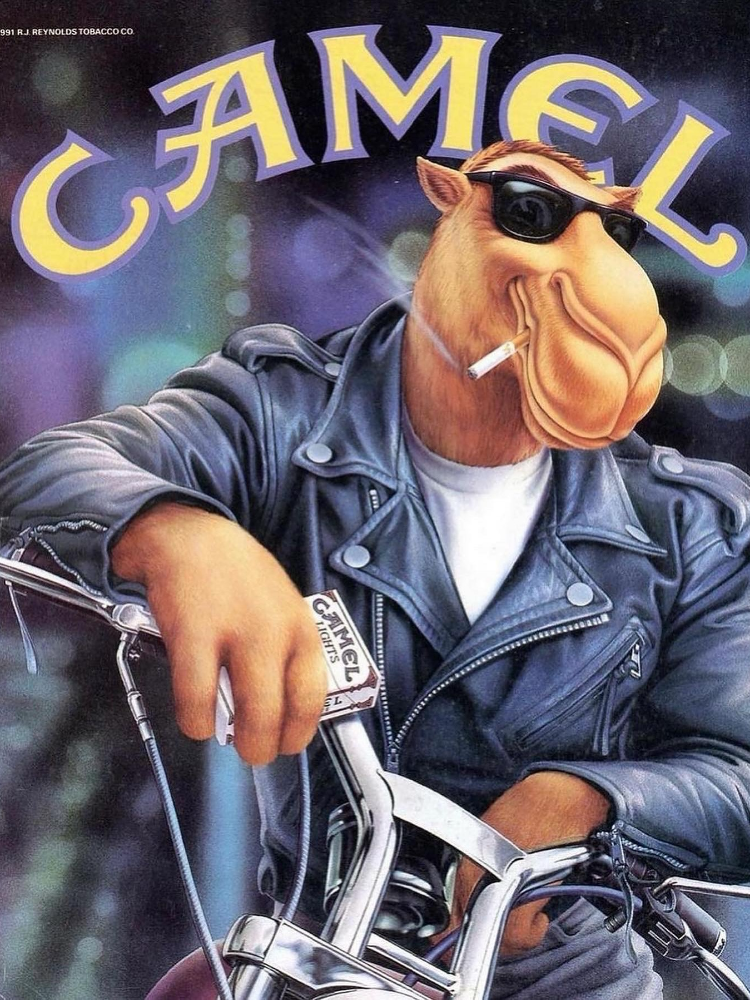
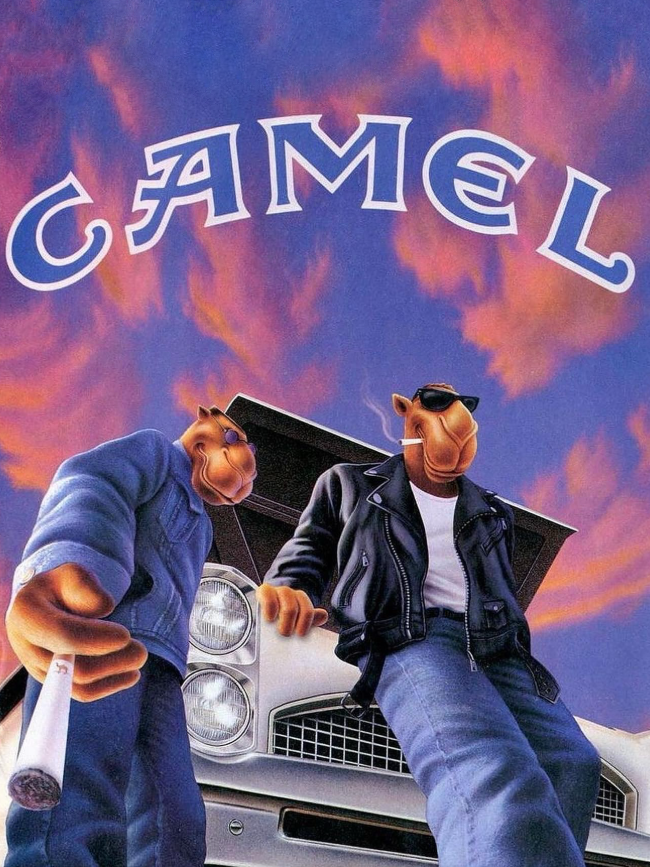
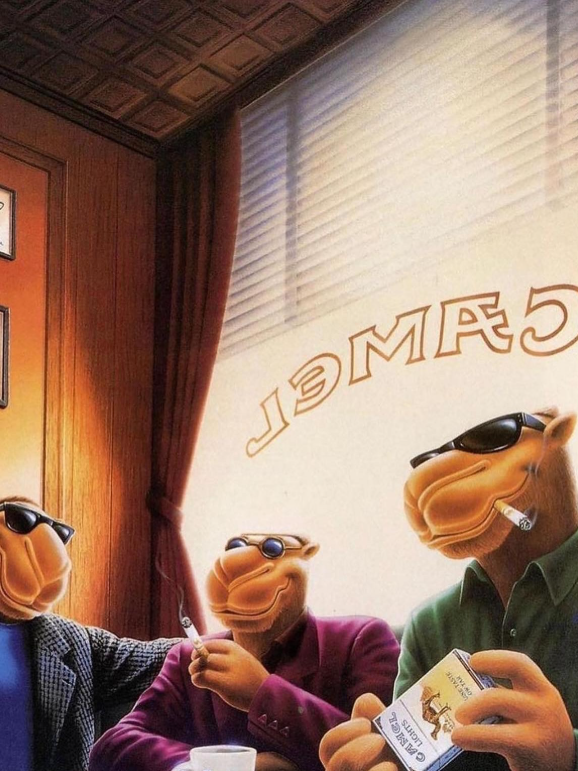
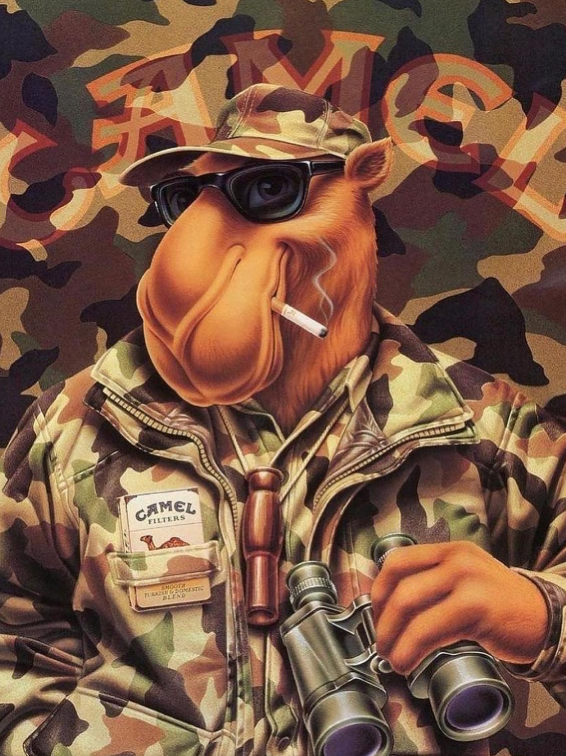
• Cigarettes (Camel, Marlboro Man)
• Alcohol ads
• Pharmaceutical drug commercials
👉🏽 Entities Involved
• Food and Drug Administration (FDA) ➞ Regulates drugs and advertising (but allowed some marketing)
• Pharmaceutical Companies (NGOs/private sector) ➞ Created and marketed drugs
✅ Reality
• Shift to a pro-business stance instead of pro-regulation
👉🏽 Impact
• Made drug use seem normal, attractive, or safe
• Increased public consumption
🔑 Key Takaway:
• Businesses played a major role in shaping behavior—not just government
VII. Pharmaceutical Industry & Drug Reps (1990s–2000s)
👉🏽 What Happened:
• Drug companies began aggressively marketing medications to doctors
• Sales reps promoted specific drugs
👉🏽 Impact
• Doctors prescribed more medications
• Some risks were downplayed
🔑 Key Takaway:
• Medical system became part of the addiction problem
VIII. The Opioid Crisis (Late 1990s–2010s)
👉🏽 Entities Involved (All same entity):
• Purdue Pharma➞ Made and marketed OxyContin
• Sackler Family ➞ Owns Perdue Pharma, profited from opioid sales
• Doctors & Hospitals ➞ Prescribed opioids widely
✅ Reality
• Weak regulation + aggressive marketing = crisis
👉🏽 What Happened:
• Opioid painkillers were marketed as safe and non-addictive
• Massive increase in prescriptions
👉🏽 Impact
• Widespread addiction
• Increase in overdose deaths
🔑 Key Takaway:
• Corporate influence + weak regulation = major public health crisis
IX. The Fentanyl Crisis (Present Day)
👉🏽 What Happened:
• Fentanyl (very strong synthetic opioid) enters illegal drug market
👉🏽 Current Government Entities:
• Department of Health and Human Services ➞ Leads public health response
• Centers for Disease Control and Prevention ➞ Tracks overdoses and trends
• Drug Enforcement Administration (DEA) ➞ Fights drug trafficking (especially fentanyl)
• Food and Drug Administration ➞ Regulates medications
👉🏽 Impact
• Extremely high overdose death rates
• Often mixed into other drugs without users knowing
🔑 Key Takaway:
• Crisis has become more dangerous and harder to control
X. Conclusion (Connect the Pattern)
👉🏽 What Government Has Tried:
• Banning (Prohibition)
• Punishment (War on Drugs, Three Strikes)
• Regulation (modern policies) **Or DEREGULATED!!)
👉🏽 What Happened:
• Drug use never fully stopped
• Some policies made problems worse
📜 Role of the Government Per Constitution
1️⃣ Core Consitutional Principles to Use:
Keep this simple—your argument should rest on 4 ideas:
• Promote the General Welfare (Preamble) ➞ Government should protect public health and safety
• Liberty (Freedom) ➞ People have the right to make personal choices
• Due Process (5th & 14th Amendments) ➞ (Government can’t take away freedom without fair procedures
• Federalism ➞ Power is shared between federal and state governments
2️⃣ Role of Government in Regulating Drugs
➞ Properly Classify Drugs based on:
• Rist of harm/addiction
➞ Regulate
• Distribution
• Prescriptions
➞ Enforce Laws Against:
• Dangerous substances (like fentanyl)
• Uses legitimate federal powers (interstate commerce)
• Create punishments that violate fairness or proportionality
• Ignore medical/scientific evidence
• History shows punishment alone doesn’t work
3️⃣ Government Role in Regulating Drug Companies
👉🏽 What the Governement SHOULD Do
• Require honest labeling
• Require accurate risk disclosure
• Limit misleading advertising
• Hold companies legally accountable for harm
👉🏽 Constitutional Reasoning
• Falls under regulating interstate commerce
👉🏽 Where Government Failed (Tie to History)
• Didn’t act fast enough on addiction risks
💡 Key Idea: Government must be a check on corporate power, not a passive observer (or worse)
4️⃣ How to Handle Severe Addiction (Hard Question)
• Severe addiction can remove the ability to make safe decisions=
What the Governement SHOULD Do
• Use drug courts instead of prison
👉🏽 Aligns with:
• More effective than incarceration
Must include:
• Medical evaluation
• Clear time limits
👉🏽 Constitutional reasoning:
• Overdose prevention (naloxone)
• Safe access to help
👉🏽 This is where the spirit of the Constitution matters:
• Treat addiction purely as a crime
• Ignore people in crisis in the name of “freedom”
👉🏽 That’s not liberty—that’s abandonment
🧠 The Subtle Strength in This Argument
• or “People should be left alone no matter what”
🗺️ The Plan
1️⃣ Revisit Drug Classifications For Updates
This is critical to make sure all of the time, energy, and resources (money) are spent focused
• Example
➞ How much time, energy, and resources (money) have been spent enforcing marijuana
Drugs are currently classified both by their medical use and potential for abuse:
• Schedule 1
➞ No accepted medical use, high potential for abuse.
• Schedule 2
➞ Accepted medical use, high potential for abuse.
• Schedule 3
➞ Accepted medical use, moderate to low potential for physical and psychological dependence
• Schedule 4
➞ Accepted medical use, low potential for physical and psychological dependence
• Schedule 5
➞ Accepted medical use, low potential for physical and psychological dependence
➞ Alcohol, while it is a controlled substance with obvious potentil for addiction, is not given a schdule rating
➞ Marijuana is rated schedule 1 (alongside Heroin), even though it is more akin to alcohol and has accepted medical use
| ➞ Psychadelics (LSD, Psilocybin, Peyote, Etc.) are rated schdule 1, but seem to have medical use (PTSD, for example)
2️⃣ Keep Lethal Drugs Out Of USA (Legal or Illegal)
➞ Lorem ipsum dolor sit amet
• Lorem ipsum dolor sit amet
3️⃣ Legalize & Regulating Acceptable Drugs & Drug Companies
👉🏽 What the Governement SHOULD Do
• Prevent drug advertisements (alcohol being a drug)
• Prevent drug reps / Define correct pathway for drug companies to communicate w/ doctors & healthcare organizations
• Lorem ipsum dolor sit amet
• Lorem ipsum dolor sit amet
4️⃣ Perpetual Access to Voluntary Rehabilitation Programs
• Lorem ipsum dolor sit amet
4️⃣ Standardize Non-Voluntary Rehabilitation Facilities
• Work with Educational Institutions, Government & Non-Governmental Organizations to learn how best to treat


